How We Rediscovered What Coffee Used to Be
The story begins not with innovation, but with a forgotten notebook. In 2021, Marco Bellini inherited his great-grandfather's roastery records from the 1940s. Among the faded ink and coffee-stained pages, he found detailed notes on a cooling technique that modern equipment had made obsolete.
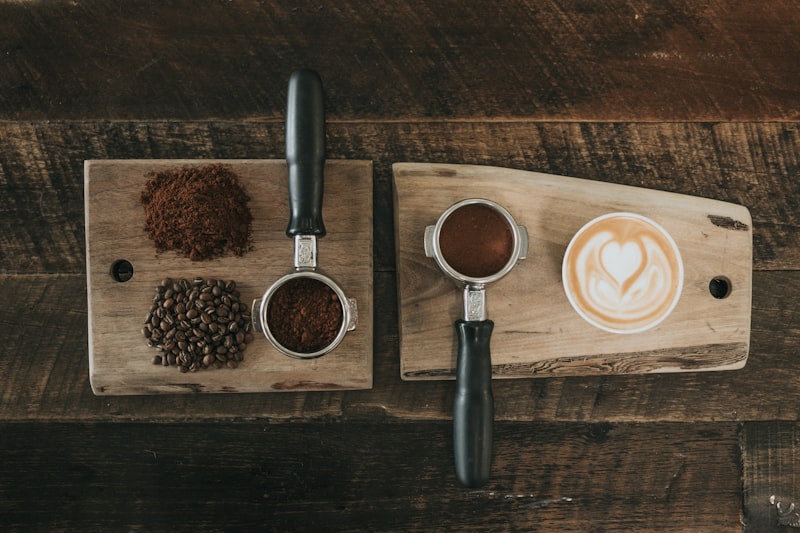
The roasting technique that started everything
His great-grandfather, Giovanni Bellini, roasted coffee in small batches using a drum roaster heated by wood fire. After roasting, he would spread the beans on large wooden trays and let them cool naturally in the ambient air. The process took fifteen minutes. Modern industrial roasters accomplish the same cooling in ninety seconds using pressurized water mist.
Marco decided to test whether the cooling method actually mattered. He roasted two identical batches, cooled one with water spray and one with ambient air, then blind-tasted both with a panel of professional cuppers. Seven out of eight preferred the air-cooled batch. They described it as having more complexity and a cleaner finish.
The Chemistry Behind the Method
When you remove coffee beans from a roaster, they're still undergoing chemical reactions. The Maillard reactions that create flavor compounds continue as long as the beans remain above certain temperatures. Rapid water cooling stops these reactions almost instantly. Natural air cooling allows them to complete gradually.
The difference is measurable in gas chromatography. Air-cooled beans show higher concentrations of certain aromatic aldehydes and esters. These compounds contribute to what tasters describe as fruit notes, floral undertones, and overall complexity.
This is not controversial science. It's well-documented in food chemistry literature. What's unusual is that almost no commercial roasters use this method anymore. It requires more space, more time, and more attention. These are things that don't scale well.
Why We Stay Small
We could expand. We receive regular inquiries from distributors interested in carrying our beans. The math would work. But the technique wouldn't.
Air cooling eight kilograms of beans requires about four square meters of tray space and fifteen minutes of monitoring. To roast fifty kilograms per hour using this method would require industrial space and multiple staff members watching trays. At that scale, the labor cost alone would make the coffee unaffordable.
So we stay at our current size. Two roasters, one apprentice, rotating batches throughout the day. We roast what we can sell within a week. Everything is roasted to order or sold fresh from our Milan location.
What Guides Our Sourcing
We work with four primary importers who specialize in direct trade relationships. Our sourcing priorities are transparent pricing, traceable origins, and consistent quality. We taste samples from multiple farms each season and select based on how the beans respond to our roasting profile.
We don't make exotic sourcing claims. Our beans come from well-established growing regions: Brazil, Ethiopia, Colombia, Guatemala. These are not rare microlots from unknown mountains. They're good quality beans from reliable producers, roasted with attention to process rather than marketing narrative.
The Team
Marco Bellini runs daily operations and handles all roasting decisions. His background is in food science, not coffee romanticism. He approaches roasting as applied chemistry rather than mystical craft.
Sofia Marchetti manages customer relationships, sourcing coordination, and quality control testing. She holds a Q Grader certification and conducts weekly cupping sessions to monitor consistency.
Alessio Conti is our roasting apprentice, learning the technique while handling packaging, shipping logistics, and equipment maintenance.
We don't have a corporate structure or investor backing. The business operates on direct revenue from coffee sales and workshop fees. This keeps us accountable to product quality rather than growth metrics.
What We're Not
We're not a lifestyle brand. We don't sell the romance of Italian coffee culture or trade on nostalgia for a golden age that probably never existed. We're a small roasting operation that uses a specific technique because it produces measurably better results.
We're not trying to change the coffee industry or prove that everyone else is doing it wrong. Industrial roasting serves its purpose efficiently. We just offer an alternative for people who want something different and are willing to pay the premium that small-batch processing requires.
Why Share the Method
The air-cooling technique isn't proprietary. It's how coffee used to be cooled before modern equipment made faster methods possible. We teach it openly in our workshops because we'd rather see more people using traditional methods than maintain some competitive advantage.
If ten other roasteries in Italy started air-cooling their beans, we'd consider that a positive outcome. The rising tide argument actually applies here. When more people experience better coffee, the entire category benefits.
Visit the Roastery
Our facility is open for visits by appointment. You can watch the roasting process, see the cooling trays, and taste multiple roast profiles side by side. We don't charge for visits, though we appreciate advance notice so we can coordinate with the roasting schedule.
If you're seriously interested in the technique, we offer intensive training workshops that cover the full process from green bean evaluation through final cupping. These are practical working sessions, not theoretical lectures.
View our services and workshops